Newsletter Subscribe
Enter your email address below and subscribe to our newsletter
Enter your email address below and subscribe to our newsletter

 ByJohn A
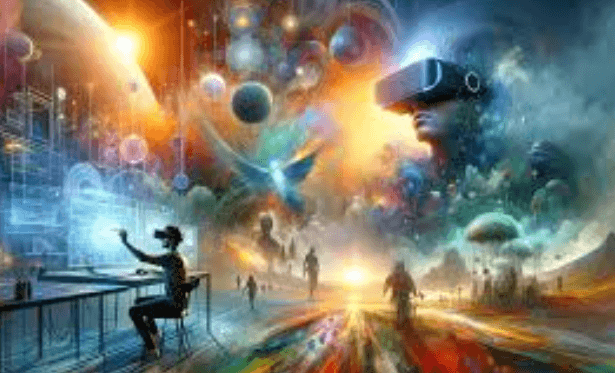
The future of digital art unfolds as a boundary-transcending practice, where algorithms meet intention and authorship becomes negotiated, not fixed. It blends tactile interfaces with chromatic computation to probe perception, memory, and mood. AI, XR, and data migrate from tools to shared substrates, enabling transparent provenance and experimental immersion. Ownership and stewardship must adapt to open networks and interdisciplinary governance, while ethics and literacy evolve in tandem. The question remains: how will these shifts sustain responsible, inventive ecosystems?
The modern digital art frontier blends algorithmic creativity with human intent, reframing authorship, perception, and value. It analyzes how Abstract systems restructure cognition, while tactile interfaces invite embodied inquiry. Chromatic algorithms orchestrate mood and memory, guiding spectators through layered interpretation. Immersive performance collapses borders between creator and audience, enabling collaborative meaning-making within open, evolving networks that honor freedom and critical curiosity.
AI, XR, and data increasingly function as shared substrates for creative practice, reshaping how artists conceive methods, test hypotheses, and present outcomes. The discussion uncouples technique from intention, examining AI ethics within iterative loops, data lineage as provenance, and XR interfaces as immersive affordances. Creative syntheses emerge at the intersection, inviting disciplined experimentation, interdisciplinary critique, and liberated yet responsible aesthetic exploration.
The discussion maps ownership frameworks and access governance, evaluating interdisciplinary tensions, digital sovereignty, and stewardship ethics within evolving ecosystems, inviting normative flexibility aligned with communal creative freedom.
Amid accelerating technological and cultural change, artists and practitioners confront the imperative to anticipate shifts in tools, norms, and collaboration models that will shape the trajectory of digital art.
This analysis explores future proofing skills, ethics collaboration, and cross-disciplinary literacy as core competencies.
It assesses risk, governance, and inventive partnerships, framing responsible experimentation as a proactive, strategic practice for creative resilience.
See also: The Future of Digital Advertising
Virtual economies diversify revenue, but unequal access and platform royalties shape distributions; digital provenance enhances trust, enabling traceable ownership and value. They may incentivize experimentation while risking fragmentation, prompting artists to navigate licensing, curation roles, and cross-platform collaborations.
Digital art may endure on decentralized platforms, given digital scarcity and evolving incentives; platform resilience matters. An analytical, interdisciplinary view speculates that independent ecosystems, governance models, and cultural value normalization could sustain artistic viability amid volatility and freedom-seeking audiences.
Collectors hold conditional rights ownership and display permissions over augmented reality artworks, though terms vary; governance, hybrids of law and culture, shape access, usage, and reproduction. Satirical visuals frame these tensions as systemic, interdisciplinary, speculative safeguards for freedom-loving audiences.
Accessible design and inclusive storytelling will shape digital art futures by broadening participation, challenging gatekeepers, and enabling diverse narratives; an analytical, interdisciplinary stance suggests speculative ecosystems where freedom arises through interoperable modalities, feedback loops, and ethically collaborative platforms.
Burnout awareness reshapes creators’ trajectories as mental resilience and digital stamina interact with creative boundaries; analysts speculate that sustainable practice emerges when institutions foster paced workflows, supportive communities, and intentional rest, enabling freer experimentation within disciplined, interdisciplinary frameworks.
The digital-art frontier hinges on transparent authorship, shared substrates, and adaptive ethics that nurture experimentation without eroding trust. As techniques become ubiquitous, value accrues through process visibility, interdisciplinary collaboration, and responsible stewardship. A hypothetical collaborative project—an AI-assisted sculpture connected to a live data feed—demonstrates how provenance, consent, and open governance can align artistic intent with community impact. The future rewards methodological clarity, cross-domain literacy, and perpetual recalibration of what counts as authorship in a networked cultural landscape.